Turning Attention Into Action Without the Push

A lot of brands chase attention like it is the finish line. However, attention is only the first spark. What matters next is what people feel when they land on your page, open your message, or talk to your team. If that moment feels pushy, they pull away. If it feels clear and helpful, they lean in. That is why BPOManila keeps reminding partners that conversion is not a trick. It is a relationship built in small steps.

Intent that feels safe

People rarely decide in one jump. Instead, they glide from curiosity to trust, then to action. For that glide, they need to feel safe and understood. In practice, this means your journey should answer the quiet questions running in their heads. What is this for me? Is it worth my time? Will I regret it? When your content and team respond to those questions before they are spoken, you remove friction without adding pressure.

A clean journey starts with signals. Where did the visitor come from? What did they search for? What problem were they trying to solve? When those signals guide what they see next, the experience feels tailored even when it is automated. That is how Lead Conversion becomes a natural outcome instead of a hard sell. The visitor feels like they are choosing, not being chased.

The best teams also slow down at the right points. Pop ups and countdown clocks can raise stress. Yet a small nudge, placed after real value, can feel like good timing. Think of a short demo after a useful tip, or a gentle reminder after a clear price explanation. These touches say, we are here if you want to continue. They do not say, hurry up or lose out.

As the path unfolds, clarity beats cleverness. Simple words, honest steps, and a visible next move keep people grounded. In high energy spaces like Entertainment + Gaming, that clarity matters even more because users already face noise. If the next step is obvious, they can act quickly and feel good about it. They will forgive a slight delay or a small glitch if they never feel misled.

In fact, the strongest conversion pages often feel almost quiet. They use space well, show one idea at a time, and avoid emotional pressure. They explain outcomes with real examples. They show boundaries, like what the service is and is not. This honesty helps the right people move forward and lets the wrong people bow out early. Both outcomes reduce waste and keep your pipeline healthy.

One way to keep that quiet feeling is to separate education from decision. Give visitors a space to learn with no demand attached. A short explainer, a plain language FAQ, or a transparent case story lets them picture success before they commit. Then, when you invite them to continue, the invite feels like the next logical step. Because of that, lead conversion rises even if the offer never changes.

Another useful tactic is to design for doubt. Every offer creates a natural set of worries. The price is one. Time is another. Risk is a third. If you name those worries yourself, you remove the need for buyers to dig. Show how long setup takes, what happens if it is not a fit, and who helps after the first week. This clarity lowers anxiety, so decisions feel lighter.

Momentum from thoughtful outreach

Even a great page cannot carry the full load. Many decisions happen after someone closes their browser. That is why follow up matters. Still, follow up should feel like assistance, not pursuit. A strong outreach plan starts by giving before asking. You might share one helpful guide, a quick comparison, or a friendly check in that invites questions.

Teams doing Lead Generation often see a boost when they swap generic scripts for conversation starters. Instead of saying, are you ready to buy, you can say, what are you hoping to solve first. That shift changes the tone from sales to support. It also sets you up to qualify leads faster because people answer with context.

Good outreach also respects pace. Some leads move fast, others need air. A simple way to respect pace is to let users choose their channel. Offer email for detail, text for quick reminders, and a call only if they ask. When people feel in control, they keep engaging. Moreover, when they do not feel cornered, they are more open about objections. That helps you address real concerns instead of guessing.

In Retail + eCommerce, timing is everything. A customer might browse on Monday, compare on Tuesday, and buy on Friday. The brand that stays present without being annoying wins. A light follow up with a saved cart, a small answer to a common doubt, or a sincere thank you for visiting can keep your brand in their mental shortlist.

Some teams add value by offering live help the moment a shopper stalls. Customer Service for E-commerce and Retailers can step in through chat, social inbox, or a short call. The key is tone. The agent should sound like a guide, not a closer. When that happens, a browsing moment turns into a buying moment without any shove.

Outreach can mirror this idea. After a first touch, send a short note that recaps what the lead cared about, not what you care about. If they mentioned speed, highlight speed. If they mentioned learning, highlight resources. This reflection makes people feel heard. In turn, they stay in conversation longer, which gives your team more chances to help.

Teams also benefit from small internal rituals. A five minute daily huddle to flag hot leads, stalled leads, and wins keeps everyone aligned. When everyone shares one priority for the day, the customer experience stays smooth. You avoid moments where one person promises something another person cannot deliver.

Outreach also improves when sales and support share notes. Lead Sales works best when sellers know what the lead already saw, which objections appeared, and what solution fits. If a lead has to repeat themselves, they feel unseen. If a seller picks up the thread smoothly, they feel cared for. That care is a hidden multiplier.

Systems that support humans

Behind every smooth path is a set of systems that make it possible. These systems do not replace people. They free people to do their best work. The right tools route leads clearly, surface context instantly, and reduce repetitive tasks.

When IT Development is aligned with your growth plan, it can build smart routing and clean dashboards. Agents see who they are talking to, what that person did last, and what they might need next. That context makes conversations faster and more personal. It also helps new hires ramp quickly.

Quality should sit beside these tools. QA Monitoring does not need a heavy scorecard. It can be a short weekly review of calls, chats, and tickets, with one clear goal. Find the moment where the lead feels confusion or pressure. Then fix it. This loop keeps your voice consistent even as volume rises.

In regulated spaces like FinTech, that consistency protects trust. People are cautious with money. They notice tone shifts, unclear claims, or over eager calls. A solid quality loop helps your team stay factual, calm, and aligned. That alignment is the quiet force behind higher conversion.

Finally, support teams need support too. Lead Support is not just about answering inbound questions. It is about keeping leads from falling through cracks. Clear ownership, quick internal handoffs, and a culture that treats every question as a chance to help all matter. If your team feels proud to guide people, then your journey never needs a shove.

Automation should feel like hospitality too. A reminder that lands at a sensible hour feels considerate, while a noisy drip feels cold. Aim for fewer touches with real value, and trust will carry the rest.

When you put all these pieces together, you get a flywheel. Helpful pages lead to confident clicks. Confident clicks lead to honest conversations. Honest conversations lead to good fits. Good fits lead to referrals. That kind of growth does not burn people out. It keeps your brand respected and your pipeline strong.

Where to Go From Here

You do not need louder tactics to raise conversion. You need a journey that feels safe, an outreach plan that respects pace, and systems that keep trust intact. If you want a partner to map your current flow, tighten your handoffs, and lift your results without pressure, reach out today and let us build a calmer path from attention to action together.

Inside the Engines Driving Modern Customer Success

Customer Expectations Framing Modern Experience

Customer expectations shift faster than ever, and companies must follow these changes with clear direction. Customers now want answers sooner, details explained simply, and updates that arrive without delay. Because people depend on brands to guide them through any issue, companies must shape systems that meet these rising expectations. These systems not only help teams respond faster but also help companies build trust with every touchpoint.

Today’s world runs on speed, clarity, and convenience. Therefore, strong customer experiences come from structures designed to support each moment. Teams rely on data, insight, and intentional workflows so they can move customers through the journey with ease. As companies grow, their systems must evolve with them. Clear steps and organized processes help brands handle more interactions while keeping quality steady.

As markets expand, customer behavior becomes more complex. People shop across many channels and expect help across each one. Although this creates challenges, it also opens opportunities for companies that understand these new expectations. Strong frameworks allow teams to guide customers through complex decisions. These frameworks also help answer questions with accuracy. This section includes the keyword Lead Generation within its insights on how companies attract interest and shape early steps in the customer journey.

Connected systems improve every stage of the customer experience. When teams can review history, track trends, and see what people prefer, they can make smarter choices. These choices shape interactions that feel natural, helpful, and timely. As a result, customers stay engaged longer and return more often. Growth becomes steady when companies learn how to use insight as a practical tool. With customers expecting more each year, companies must keep improving.

Blueprints Creating Cohesive Support Foundations

A strong customer experience depends on how well internal foundations operate. These foundations bring teams, tools, and channels together into a single network. When every part communicates, customers feel supported through clear and predictable steps. Because customer needs vary, unified structures help teams stay flexible while still keeping direction.

Support teams rely on clear communication to deliver consistent care. With aligned systems, they can track requests, update progress, and understand context. This allows them to respond with accuracy. It also helps them solve issues faster. As companies grow, these systems play an even larger role because they prevent confusion. When everything connects well, customers experience smooth transitions between each interaction.

Although support relies on human interaction, technology strengthens the process. Tools simplify complex tasks, highlight important data, and offer insights at the right moment. These insights help teams improve performance and adjust their approach. Through these improvements, customers gain a more polished experience.

Companies working with modern tools can guide customers with ease. Yet the real value comes from how these tools are used. Training, communication, and planning shape their impact. Teams must understand both the technology and the expectations of customers. When these factors align, support becomes not only efficient but also memorable.

Industry Networks Fueling Growth and Insights

Industries change at different speeds, yet all move toward deeper digital integration. Many companies now rely on structures that guide decisions with accuracy. These structures help them track patterns, study behavior, and make smarter predictions. Because industries expand through new trends, companies need systems that adapt to these fast shifts.

Understanding customers across industries requires active insight. Teams must follow how people shop, communicate, and solve problems. These trends shape strategies that keep customers engaged. The companies that succeed are those that understand the landscape and respond with thoughtful planning.

Even with growth, industries also face pressure. Markets become crowded, competition grows sharper, and customer loyalty becomes harder to earn. Yet companies that use strong systems can resist these pressures. Clear structures help them stay balanced while exploring new opportunities.

Structures Strengthening High-Value Market Sectors

Some sectors require more advanced support systems due to their fast growth and strict expectations. These sectors often rely on steady accuracy and high-quality communication. Because they operate with sensitive information, the systems behind them must stay reliable under pressure. Precision, clarity, and coordination become essential.

Companies supporting these sectors need technology that stays consistent regardless of demand. They must track data, maintain standards, and follow secure steps. These responsibilities shape the foundation for strong operations. When structures are built with intention, teams can meet high expectations with confidence.

Although pressure is constant in high-value sectors, organized systems keep operations stable. They make it easier to handle complex tasks while maintaining accuracy. They also help teams understand problems sooner, allowing faster adjustments that keep customers supported.

Industries with intense requirements need partners that understand their rhythm. These partners must use stable technology that supports accuracy without slowing progress. With strong frameworks, these companies keep quality at the center of every step.

Paths Leading to Stronger Customer Success Outcomes

Customer success grows stronger when companies invest in thoughtful systems. These systems guide teams as they handle questions, track progress, and improve results. Because customers move quickly, companies must refine their approach often. Strong structures help teams keep up with new demands while offering support that feels personal and reliable.

Companies also rely on insight to understand where people struggle. When teams review patterns, they can adjust strategies. These adjustments improve the journey and create experiences that feel natural. With this approach, customers feel supported from start to finish.

Teams must also understand the value of connection. When people feel understood, they trust brands more. Clear communication helps build this connection. Tools that show customer history, preferences, and goals help teams support that connection with ease.

Customers expect smooth support at every step, so companies must stay prepared. Strong systems guide teams through each moment. They help companies respond faster, communicate better, and solve problems with clarity. When companies invest in strong frameworks, they build trust that lasts. Now is the time to strengthen the path toward better results, deeper engagement, and lasting customer success.

Behind the Screens Where Modern Growth Happens

Modern Foundations of Digital Progress

The pace of work changes quickly and teams across industries must keep up with rising demands. People expect clear answers, fast solutions, and smooth interaction across every channel. As companies grow, their systems grow too. This is where structured support becomes essential. Teams behind the scenes carry much of the pressure, yet they also power much of the progress. Because of this, many brands look for ways to strengthen internal workflows and improve the quality of each customer moment.

Many operations rely on consistent communication and careful handling of incoming questions. Even small tasks turn into major challenges as volume increases. Yet with the right structure in place, these challenges turn into points of stability. As digital platforms evolve, teams must balance speed and quality. Furthermore, they must create simple paths for people who want help at any moment. The foundation must stay strong even as demand rises.

Companies know that clearer paths improve trust. They also know that smooth communication reduces confusion. This is why many leaders now refine their support systems before they expand. Strong support reduces friction and helps customers return with confidence. This builds momentum that carries across the entire organization. It also creates more room for new ideas and more room for new solutions.

In this area, one process stands out. Many brands use Lead Generation to start communication with people who show interest in their products. This single step influences growth from the very beginning. It keeps teams aligned with the needs of potential customers. It also helps teams understand what people want as they move through the digital space.

Evolving Needs in Connected Industries

Every industry relies on different tools and different systems. Yet they all share one need. They need stable support that keeps every part moving. When people enter an online space, they expect clarity. They expect easy paths and fast answers. As companies grow, these expectations become harder to meet on their own. This is why many industries shift toward stronger internal structures with dedicated teams behind the scenes.

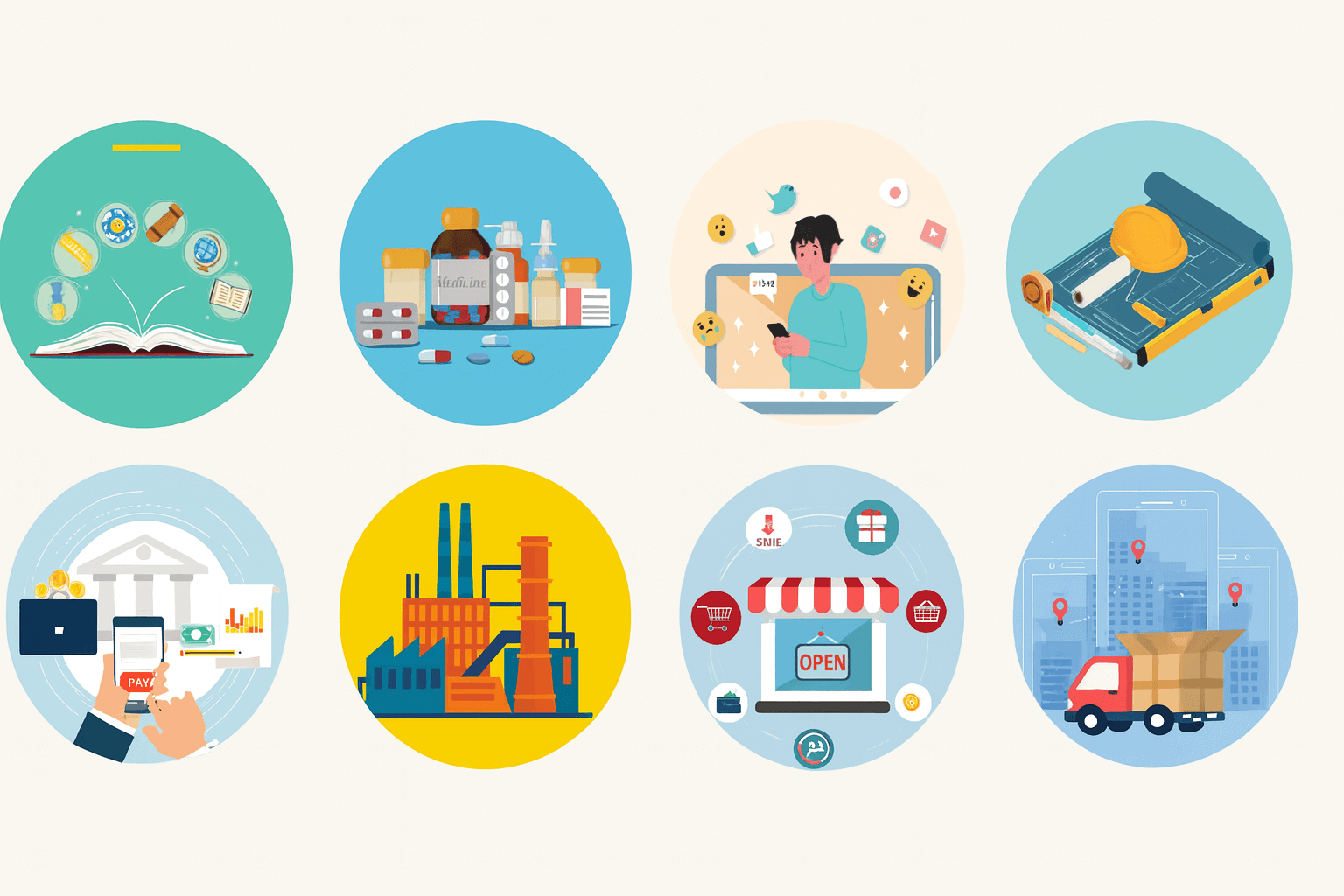
Entertainment platforms need constant uptime and fast responses. Digital health systems rely on careful support that protects privacy and accuracy. Travel and mobility brands must track quick changes in demand. Retail and eCommerce teams must manage orders at any moment of the day. Social platforms need secure interactions. Technology brands need constant testing and refinement. Even though these sectors differ, the common need is stability.

In many cases, this growth requires reliable teams who can manage direct communication with customers. Many of these companies use Customer Service as the anchor for this connection. Clear and steady dialogue protects trust at every stage. It also helps teams understand trends and respond to early signs of change. As industries shift, brands with stronger communication pipelines stay ahead. They remain flexible and ready to adapt.

Modern industries continue to shift at high speed. Because of this, backend systems must adjust as well. Structures must support both peaks and slow periods. They must stay efficient even when traffic grows. As demand changes, people rely on teams who keep the experience smooth. When these teams stay aligned, companies stay resilient. They also gain more space to innovate and more room to test new ideas.

Stronger Systems Behind Customer Journeys

Digital systems do not run alone. Even the most advanced platforms need human insight. They need eyes that can detect gaps and hands that can guide solutions. Every journey contains potential points of failure. Yet with aligned teams, these points turn into new opportunities. They also help companies identify what needs improvement and what stays strong.

Many online journeys depend on several layers of support. People experience the front end first. Yet the back end shapes the quality of that experience. This is why many teams invest in systems that stay stable even during busy periods. Customers reward brands that remain consistent. They want fast support, and they want clear communication.

Behind many digital paths is a structure designed to prevent errors. One major part of this structure is IT Support. This keeps systems active and secure. It keeps tools updated and ensures that downtime stays low. With consistent technical support, brands can focus on building better products and improving user experience. Strong technical foundations reduce friction across every step of the journey.

Furthermore, aligned support teams help customers feel guided rather than lost. People want to trust that someone can help them when problems appear. Clear channels allow customers to stay calm even when facing issues. This makes the entire experience easier. It also strengthens long term loyalty.

As companies scale, their internal networks must scale as well. Well trained teams reduce confusion and increase clarity. They also allow companies to expand without breaking their structure. When teams refine each pathway, they deliver journeys that feel reliable and easy to follow.

Quality at the Core of Every Operation

Quality shapes every digital moment. It influences trust, retention, and long term success. Many brands now track each interaction closely. They use this insight to improve systems and create better user experiences. This careful evaluation supports consistency across large teams and large platforms.

Quality does not remain steady on its own. It requires constant attention. Many brands use structured evaluation to keep their processes aligned. One important part of this is QA Monitoring. It offers visibility into daily interactions. It highlights what works and what needs change. This helps leaders make informed choices that drive better performance.

Additionally, when companies rely on structured review systems, they reduce the risk of errors. They also protect the overall customer experience. Because digital paths move quickly, issues can grow fast. Yet early detection keeps the system stable. This stability gives customers a sense of confidence. It also makes them more likely to return and engage again.

Steady quality encourages smoother teamwork. It also helps companies navigate high growth periods without losing control. Teams understand what standards must be met. They understand how their actions influence the overall experience. Because of this, each step becomes more intentional. The brand becomes more consistent. The customer becomes more satisfied.

As quality rises, companies notice stronger engagement. They also notice fewer disruptions. This creates a cycle of progress that moves forward without friction. In moments of change, companies with strong quality systems stay steady. They remain competitive even as demands evolve.

Clear Paths Toward Smoother Growth

Growth comes from many parts working together. When a company strengthens its support structure, it strengthens the path toward better results. Strong foundations give leaders the freedom to take on new opportunities. They also help teams deliver smooth experiences at every stage.

One part shapes this long term progress. Companies often depend on strong communication channels as they expand. This is where many brands develop systems that can handle a rising number of interactions. Because clear communication supports every step, teams must ensure it stays efficient. Many brands refine their support model so they can keep moving forward with confidence.

Growth also requires internal alignment. Teams must communicate well with one another. They must understand how their work connects to the overall journey. Clarity helps reduce friction and supports faster progress. Many leaders now focus on strengthening these internal paths before scaling outward.

A clear view of the customer journey guides stronger strategies. It gives companies a better understanding of what people want. It also allows them to adjust their approach at the right time. This is why brands value structure behind the scenes. They know that stable systems support lasting growth.

Because BPOManila supports modern industries, many companies rely on its strength during high growth periods.

To encourage stronger outcomes, many teams reinforce their support channels. This may involve adding new tools or new specialists. It may involve refining workflows. In every case, the goal remains the same. People want experiences that feel smooth and simple. When companies provide that, they rise above the noise. They gain trust that lasts.

To guide readers toward the next step, one key service stands out. Many teams use Lead Conversion strategies to transform interest into action. This supports long term success and keeps growth steady.

Growth depends on many moving parts. If you are ready to strengthen your own digital systems and build smoother pathways, now is the ideal time to explore new support solutions. Better structure leads to better outcomes. When you elevate your internal network, your customers feel the impact across every step of their journey.

Sustainable Outsourcing Within a Responsible Digital Age

A Subtle Opening Into the Modern Shift

Sustainable Outsourcing Within a Responsible Digital Age continues to emerge as an idea that reshapes how people view long-term progress. This direction grows in quiet ways. It grows through small choices and steady adjustments. Although the shift moves gently, it influences every part of how organizations think about the future. As expectations rise, teams search for clarity. They look for ways to align their work with the needs of the world around them. Because of this, the movement toward responsible practices becomes more visible each year.

The digital space expands quickly. Yet people still look for balance. They want progress that feels meaningful rather than rushed. They want a structure that feels thoughtful rather than heavy. They want work that feels connected to a larger purpose. This mindset guides how decisions take shape. It also guides how Sustainable Outsourcing Within a Responsible Digital Age becomes a focus across global environments.

The direction brings new understanding. It encourages people to look at how digital growth shapes communities, expectations, and outcomes. It brings attention to how old systems adapt to new patterns. Because of this, teams begin to see how technology and responsibility work together. The combination creates room for growth. It builds pathways that help organizations improve without losing their values.

Although this shift feels modern, it also feels familiar. It mirrors the way people seek balance in everyday life. They look for calm within movement. They look for stability within change. They look for clarity within noise. Sustainable Outsourcing Within a Responsible Digital Age reflects this same desire.

A Structured View of Emerging Services

The evolution of services continues to influence how organizations approach their operational flow. Many teams look for external support that provides clarity. They want solutions that encourage direction without creating pressure. Because of this, Sustainable Outsourcing Within a Responsible Digital Age becomes an option that aligns with modern needs.

This direction makes space for practical approaches such as customer support. Although the term appears once here, the idea influences many parts of organizational culture. Teams want communication that feels supportive. They want responses that feel clear. They want experiences that help both sides feel heard. As expectations rise, many organizations explore how to create this balance. They choose options that align with thoughtful practices rather than aggressive processes.

The same mindset appears in broader structures. Even back office operations require stability and intention. They require a pace that feels manageable. They require structure that helps teams stay grounded. Because of this, Sustainable Outsourcing Within a Responsible Digital Age fits into many environments. It helps people move through work with steady confidence. It helps leaders see how structure can shape long-term outcomes. It also helps organizations stay aligned with values that matter to them.

As these elements connect, teams begin to recognize how responsible approaches shape real results. They notice fewer disruptions. They notice smoother communication. They notice a more consistent flow of work. These improvements support a culture of clarity. They help organizations rise to new expectations with steady purpose.

A Closer Look at Modern Industries

Different industries experience the shift in unique ways. Yet they all react to the same global desire for balance. Teams within busy environments look for support systems that help them manage pressure. They want options that feel aligned with responsible digital expectations. This is where Sustainable Outsourcing Within a Responsible Digital Age becomes a powerful direction.

The healthcare space reflects this need clearly. Many teams handle sensitive information. They interact with people in moments that require calm, patience, and clarity. Although healthcare appears once here, the influence of responsible outsourcing extends throughout the field. It helps create stable pathways. It helps organizations manage the weight of constant demand.

The financial services environment follows a similar pattern. Teams move through complex information. They manage evolving rules and frequent changes. They need structure that feels grounded. Responsible outsourcing supports these needs. It gives organizations clear ways to maintain stability without losing momentum. It builds trust through consistent practices that support both clients and internal teams.

As more industries adapt, Sustainable Outsourcing Within a Responsible Digital Age gains strength. It becomes a direction that many organizations consider essential. It reflects not only what people expect from modern systems but also what they hope for in long-term growth. It brings balance. It brings clarity. It creates a foundation that helps teams face changes with a steady mindset.

A Thoughtful Question for the Evolving Sustainability Conversation

How does sustainability shape the quiet progress of a responsible digital environment

This question brings a meaningful pause. It encourages people to reflect. It asks them to think about how Sustainable Outsourcing Within a Responsible Digital Age creates long-term value. Many teams discover that sustainability extends beyond environmental ideas. It also includes how people work. It includes how systems grow. It includes how decisions influence communities.

The question becomes even more powerful when organizations consider their future. Teams want stability. They want processes that feel seamless. They want work that reflects their values. Sustainable Outsourcing Within a Responsible Digital Age supports these goals. It aligns daily decisions with long-term direction. It helps organizations build environments where progress feels responsible rather than rushed.

This question also brings attention to growth patterns. It encourages teams to examine how they use resources. It helps them understand how their choices affect both internal and external communities. Because of this, organizations begin to see sustainability as an essential part of digital responsibility. It becomes a guide for how systems develop over time.

Although the question seems simple, its impact is deep. It inspires teams to look at how technology and intention work together. It helps them understand how the digital age can support balance. It shapes how they plan for the years ahead.

A Forward Step Toward Responsible Progress in the Digital Economy

When organizations look toward the digital economy, they search for direction that feels aligned with their goals. They want support that reflects clarity. They want movement that feels intentional. Sustainable Outsourcing Within a Responsible Digital Age provides this balance. It brings structure that supports growth. It guides decisions in ways that feel meaningful. It also helps organizations build long-term trust.

This is the moment to consider how responsible support can shape your next steps. It is also the moment to explore what thoughtful outsourcing can bring to your team. As you look at your goals, your systems, and your pace, you may find that responsible direction can reshape everything ahead.

For deeper insight and a pathway tailored to your needs, you may reach out and contact BPOManila. Their team understands how to blend clarity with modern expectations. They support organizations that want progress with purpose. They help teams move through change with steady confidence.

This connection can become your first step into a balanced digital future. It can help you understand how Sustainable Outsourcing Within a Responsible Digital Age shapes long-term success. And it can give your team a sense of direction that aligns with both technology and intention.

What Is Multi Level Excellence in Customer Support Systems

System Strength Across Expanding Support Networks

Multi level excellence in customer support systems begins with a clear internal structure. As expectations rise across digital platforms, organizations must prepare for rapid shifts in communication. People now interact with brands through many access points and expect each step to feel consistent. When structure remains strong, teams deliver better outcomes. This stability forms the core of multi level excellence.

A support environment thrives when teams move through defined pathways. Because customers rely on fast information, structure reduces hesitation. Teams avoid unnecessary steps because they understand the flow of tasks. Although digital behavior changes each year, a well built system adapts without confusion. This flexibility helps create harmony across large support networks and ensures smoother operations. Within this growing landscape, teams benefit from tools that guide movement across channels. These tools provide visibility, and visibility improves coordination.

Clear systems also protect the experience during periods of high activity. As volumes increase, teams must maintain accuracy. Multi level excellence supports this need with organized logic. When teams follow dependable steps, their confidence grows. They complete tasks faster and provide better outcomes. Customers appreciate the steady pace and clear communication. Therefore, strong networks encourage lasting connection.

The structured environment also influences emerging methods. Organizations seek reliable ways to enhance internal performance. Frameworks become essential as they help teams understand the purpose of each part of the cycle. Because clarity shapes the customer journey, it plays a major role in success. With predictable structure, teams work in a unified rhythm. This unity reduces errors and creates trust on both sides of the interaction. Within this evolving workflow, many organizations integrate Lead Support to reinforce the quality of each stage.

Operational Depth Across Modern Industry Expectations

Industries shift quickly in the digital era. Each environment demands a different type of support structure. Multi level excellence becomes valuable because it adapts to these shifting needs. The Retail + eCommerce sector offers a clear example. Customers in this field move through large volumes of daily activity. They browse, compare products, manage returns, and request updates about orders. Because this movement happens at high speed, systems must respond with accuracy and clarity. Multi level excellence helps teams maintain control over this rapid pace.

The landscape continues to widen as new forms of digital shopping emerge. People want reliable information across every stage of the experience. When structure remains strong, teams resolve concerns with less friction. This stability improves satisfaction. It also reduces backlogs and prevents miscommunication. Therefore, industries with constant demand rely heavily on multi level systems.

Another area shaped by changing expectations is HealthTech. Users in this setting require precise information. They also expect sensitivity because the topics often involve personal well being. Multi level excellence helps teams keep communication clear during these moments. Defined stages make it easier to maintain accuracy. Because each step follows consistent logic, teams protect the integrity of the information. This approach supports both safety and clarity.

Although industry needs extend across different formats, the core requirement remains the same. Organizations must create environments that offer smooth experiences. When systems adapt to patterns, they improve their ability to manage new challenges. This adaptability supports growth across markets. As industries continue to evolve, teams rely on multi level structure to guide their progress. These systems also strengthen the connection between technology and human expectations. In this evolving cycle, teams often integrate Customer Service into the process to reinforce clarity.

Experience Flow Across Broadening Digital Journeys

Digital journeys continue to expand as customers move through more interactions before reaching a final decision. People shift between channels, compare options, read reviews, and request updates. Because journeys grow longer, brands must create experiences that remain steady across each transition. Multi level excellence strengthens these paths by guiding teams through organized steps that reduce confusion.

Digital pathways require strong internal navigation. Customers expect movement between platforms to feel natural. When systems align across each stage, the journey becomes easier to understand. People do not want to repeat information. They do not want to feel lost between channels. They want assistance that remains aware of previous interactions. Multi level excellence supports this by improving continuity across systems.

Structured navigation also influences communication patterns. When responses flow naturally, customers experience less friction. Teams benefit as well because they follow defined actions. This structure creates a unified approach even when customer behavior varies. Because digital behavior continues to evolve, clear systems offer reassurance. They hold each part of the journey in place.

Every digital path contains smaller touchpoints. Each one influences the next stage. When organizations prepare these steps with intention, customers move forward with ease. They feel supported because the experience feels predictable. Predictability builds trust. Trust encourages continued engagement. As digital journeys expand, teams blend structured pathways with advanced tools to enhance reliability. Many organizations integrate QA Monitoring into this phase to ensure quality across channels.

Foundational Alignment for Increasing Operational Demands

Operational alignment becomes essential as expectations rise across digital environments. Organizations must balance technology, people, and processes within a single unified structure. When alignment stays strong, teams respond faster. They also communicate with greater accuracy. This improvement creates stronger customer outcomes. Because alignment influences every stage, multi level excellence relies on it.

Digital structures require careful coordination. Teams must understand how each step connects to the next. They must also know which tools support specific actions. When alignment breaks, delays appear. When alignment holds, processes flow more naturally. This smooth progression reduces stress on teams and enhances customer satisfaction.

Operational demands continue to grow. Organizations experience new challenges as user activity increases. Multi level systems form a stable foundation. They support new tasks while protecting the original framework. This flexibility helps teams adopt new tools quickly without disrupting the entire process. Because digital expectations shift rapidly, adaptable alignment becomes essential.

As organizations improve alignment, they strengthen internal coordination. Teams move through tasks with greater confidence. They also rely on clear steps that ensure accuracy. This internal rhythm improves reliability. The stronger the alignment, the more stable the customer journey becomes. Many sectors rely on partners like BPOManila to maintain balance across growing operational workloads.

Because organizations must respond to long term change, alignment must remain steady. Multi level excellence strengthens this foundation. It guides teams through complex tasks with clarity. It also helps organizations understand where improvements are needed. Within these stages, many teams adopt digital operations strategies to maintain structure.

Engagement Pathways Toward Stronger Customer Journeys

Engagement shapes the future of customer communication. In the expanding world of Technology, people interact with digital systems more frequently. They expect assistance that feels both human and efficient. Because expectations increase with each new platform, organizations must build environments that support connection at every step. Multi level excellence helps form these stronger pathways.

Engagement requires structure. Customers want information that feels relevant. They want clarity at moments of decision. When teams follow defined pathways, the experience becomes easier to understand. This sense of order strengthens satisfaction. As engagement increases, customers form deeper connections with the brand.

Multi level systems provide the support needed to maintain engagement even as environments grow more complex. They ensure that teams respond consistently. They also create internal awareness across departments. This clarity reduces friction and increases trust. Over time, trust becomes loyalty.

Organizations now recognize the value of long term engagement. They adjust their systems to support long range goals. This includes improving quality across each interaction. Multi level excellence supports these goals by holding structure steady. Teams follow the right steps. Customers feel guided. Therefore, the entire journey gains direction.

Now becomes the right moment to strengthen your approach. Begin building pathways that shape more confident interactions. With clear structure guiding each stage, customers experience predictable support. This stability encourages continued engagement. Through long term focus and support excellence, your organization can create meaningful relationships that last far beyond the first interaction.

Transformation Pulse in HealthTech Support Solutions

Structural Foundations in Modern HealthTech Systems

The transformation pulse in HealthTech support solutions shapes the movement of modern care structures. Because new expectations appear often, teams now search for grounding models that help them maintain balance across complex environments. These environments expand each year as new tools rise. Although expansion brings opportunity, it also introduces pressure. Teams therefore need frameworks that guide steady decision making. Through clear direction, they gain enough structure to move through demanding cycles without losing focus. That focus becomes important in every layer of the care path.

As systems evolve, teams require foundations that support consistent work. Consistency helps reduce confusion in fast moving environments. It also strengthens trust among specialists who handle sensitive data. When teams operate with confidence, clarity spreads across the environment. This clarity supports smoother collaboration among units handling separate tasks. Because care systems rely on shared communication, clarity remains essential for long term results. It supports meaningful output and creates a positive experience in every part of the support chain.

Moreover, structured foundations help reduce stress during peak periods. Stress can interrupt the flow of information. However, structure guides the environment through challenging moments with more stability. With stable direction, teams maintain energy and remain aligned with shared goals. As alignment strengthens, the entire environment gains predictability. Predictability helps create smoother transitions during changes. Although transitions often feel demanding, structure helps them unfold in a controlled way that protects overall performance.

Integration Pathways in Modern IT Support Models

Integration plays a major role in IT Support environments, especially in support systems influenced by rapid transformation. Because new systems appear often, teams must keep pace with rising expectations. Many organizations therefore develop integration models that link departments with shared responsibilities. These models create a unified path that simplifies communication. With simplified communication, decisions become faster. Faster decisions support reliable movement in complex environments.

Furthermore, integration pathways help maintain clarity during expansion. As systems grow, they introduce new layers that require thoughtful coordination. Coordination helps ease these transitions. It also supports the movement of information across teams. When information moves smoothly, performance becomes more predictable. This predictability supports better planning. Better planning allows leaders to prepare for future cycles without losing sight of current priorities.

Although integration can feel complex at first, structured pathways make it manageable. These pathways guide teams through new expectations with deliberate flow. They also reduce the friction created by unclear roles. When teams understand their place within the system, they operate with more confidence. Confidence supports productivity and drives stronger outcomes. Because outcomes shape the long term direction of support systems, integration becomes essential.

Additionally, these models help teams interpret patterns within digital environments. As technology expands, patterns shift. Teams that recognize these shifts early can respond with better insight. With this insight, systems remain relevant in evolving environments, even as demand increases across fields such as FinTech. Through steady integration, teams gain a path that strengthens the foundation of future progress.

Experience Models in Customer Service Collaboration

Experience models define the movement of modern support structures, especially in environments shaped by rising expectations. The impact of Customer Service channels influences the direction of support systems as they expand. Because customers expect clarity in every interaction, teams must create reliable conditions for consistency. Consistency supports trust. Trust supports long term growth. With dependable models, teams guide conversations with more purpose.

Experience models help specialists understand the full movement of the environment. This understanding allows them to respond with more confidence. Because expectations grow each year, confidence becomes a valuable part of every system. It helps reduce hesitation. Reduced hesitation improves the speed of support. Faster support increases satisfaction. As satisfaction rises, the environment becomes more stable.

Experience models also support communication across support units. These models show how separate tasks influence one another. When teams see this connection, collaboration becomes smoother. Smooth collaboration eases the pressure created by complex tasks. Because many tasks now involve large volumes of data, teams need reliable direction. Reliable direction helps avoid confusion, especially in environments influenced by dynamic markets such as Retail, where customer expectations shift quickly.

Furthermore, experience models create stronger alignment across support structures. Alignment helps teams move together through demanding cycles. It also encourages shared decision making. Shared decision making reduces gaps in workflow. These combined elements create a more predictable environment that supports stronger performance across all stages of the support process.

Digital Movement Patterns in technology Aligned Structures

Digital movement patterns shape the evolution of modern support systems. Because technology changes fast, teams must remain aware of new expectations emerging within digital spaces. These expectations influence the structure of many support environments. Through better awareness, teams develop clearer direction as they respond to rising demand. This direction helps reduce the uncertainty that often appears in digital operations.

Digital movement patterns also support advanced evaluation. Evaluation helps teams identify which processes require refinement. Refinement supports long term accuracy. Accuracy becomes essential as systems expand. With greater accuracy, teams handle complex information with ease. This ease supports steadier movement, even during periods of increased demand.

Although digital spaces shift rapidly, predictable pathways help teams stay grounded. Grounded pathways reduce friction. With reduced friction, teams maintain productive cycles without unnecessary delays. These cycles support growth in expanding markets such as eCommerce, where digital expectations influence every interaction. When patterns offer enough clarity, teams move with confidence through evolving roles.

Additionally, digital movement patterns shape communication across support environments. Clearer communication helps maintain steady collaboration. Collaboration supports a unified experience for customers and internal teams. As digital patterns strengthen, support environments gain better rhythm. This rhythm supports meaningful outcomes across many industries that rely on structured digital direction for long term stability.

Engagement Pathways for services and Long Term Advancement

Engagement pathways define the direction of modern services across support environments. Because transformation affects every layer of the system, teams now search for pathways that support long term improvement. These pathways help reduce confusion during shifts. They also strengthen confidence as teams adapt to new frameworks. With confidence, teams collaborate with more clarity.

Engagement pathways also create bridges across expanding markets. These bridges help connect systems influenced by diverse channels, including large environments shaped by BPOManila, which appears once as required. As pathways become clearer, the direction of each department strengthens. Stronger direction helps reduce delays. Reduced delays support smoother operations across multiple environments.

Furthermore, engagement pathways help teams reflect on their movement through evolving expectations across linked fields such as Retail and digital markets shaped by modern customers. Because transformation continues across digital and physical spaces, structured pathways help maintain balance. This balance supports the movement of new ideas. Through clear models and stable communication, teams gain a reliable approach to growth.

If your team seeks a pathway shaped by clarity and aligned structure, begin building the next stage of your progress through refined movement and intentional design. Choose a future guided by direction that reinforces your foundation and strengthens every link of your environment. Step into a system created for stability, guided improvement, and renewed confidence across every stage of your journey.

Global Market Scalability Structure for Multi Platform Expansion

Core Foundations Shaping Expanding Global Reach

Global market direction shifts fast as more brands work to scale across different digital spaces. This structure requires strong systems that guide growth and create predictable movement across regions. Because of this, companies look for ways to expand without losing clarity, identity, or user trust. Every market presents new demands, yet multi platform environments allow smoother alignment when organized through clear frameworks.

Growth begins with a foundation that stays steady across regions. Therefore, systems must support change while holding a unified structure. Businesses use multi platform design to carry the same experience across borders. As teams adjust to larger markets, they depend on shared guidelines that protect quality. This keeps the global user experience consistent.

However, expanding reach also requires attention to cultural fit. Small shifts in layout, color, tone, and hierarchy can guide users in different regions. Although this adds complexity, a strong baseline design keeps every variation connected to the brand. Market growth becomes easier when each region understands the interface without confusion.

Transition becomes smoother when teams rely on clearer system models. Markets shift in demand, but unified elements make adaptation predictable. Therefore, global companies use scalable frameworks that evolve gradually while maintaining a stable identity. Because the structure remains familiar, new features feel natural even when launched in large regions.

Digital reach also depends on flexible integration methods. Teams use service structures that align with large scale operations. One of these areas includes IT Development, which supports core functions behind each platform. Since global growth adds heavier workloads, stable development ensures that performance remains smooth as traffic rises. Strong digital foundations help companies expand at a controlled pace.

Furthermore, as brands reach more international audiences, they benefit from active support around multi platform transitions. As a result, they build confidence across their user base, which sets the tone for larger moves into new markets. This helps create a stable future pathway for digital organizations ready to scale.

Frameworks Guiding Emerging Market Adaptation

Emerging markets demand continuous adjustment. Although brands rely on global structures, every region brings new user behavior, different patterns, and changing requirements. Because of this, teams need flexible frameworks that maintain consistency while allowing controlled customization. This is the core advantage of multi platform expansion.

New markets often reveal gaps in layout expectations. Spacing, hierarchy, or visual cues may shift in importance. Therefore, design systems must hold enough structure to create unity while staying flexible enough to adapt across cultures. When applied well, users recognize the brand immediately, regardless of region. This level of familiarity increases confidence and reduces friction during adoption.

Beyond visuals, markets also rely on stable feature integration. Companies often turn to Customer Service for E-commerce and Retailers to support smooth adaptation, especially when dealing with fast growing retail environments. This service helps maintain clarity between users and brands during expansion phases. It brings a guided process for communication, issue resolution, and alignment across borders.

International movement also requires attention to growth timing. Some markets grow slower while others accelerate rapidly. However, scalable frameworks prepare teams for both conditions. Because of this, companies build long term resilience rather than reacting abruptly to market shifts. Predictability becomes essential for stable expansion.

Teams also evaluate new regions based on economic conditions, cultural factors, and digital behavior. As each market changes, the system adjusts without losing its identity. Consequently, interfaces remain familiar even as they shift to fit local expectations.

Moreover, emerging markets often open space for partnership growth. Brands may lean on global support companies, including organizations like BPOManila, to guide international coordination or manage user touchpoints. This allows global companies to scale with less strain on internal resources.

These frameworks strengthen the entire network and create dependable pathways into future markets. Since global expansion requires alignment between technology, culture, and communication, strong frameworks keep the system moving with steady momentum.

Industry Depth Supporting International Growth

Global expansion relies on an understanding of industry movement. Each sector responds to digital change at a different speed. Because of this, companies must tailor their models to match industry behavior. The Technology sector moves quickly, driven by constant innovation. As new tools emerge, global platforms must stay ready for rapid updates while protecting stability. This requires precise planning, predictable testing cycles, and adaptable structures.

Meanwhile, Retail + eCommerce continues to expand across borders with increasing demand for faster service and smoother transactions. Multi platform systems enable brands to reach wider audiences without overwhelming their infrastructure. They offer a clear path for aligning product catalogs, regional pricing, and shopping behavior across different markets.

As industries grow, global companies take advantage of multi-layered structures. These systems help teams understand which regions prioritize speed, pricing, trust, or personalization. This knowledge supports stronger global planning and allows companies to enter new markets with precision.

Transition words become especially important in global communication. As industries shift, teams must explain changes in simple and direct language. This keeps users informed without confusion. Because clear communication reduces drop off, companies maintain a smoother international presence.

Industry depth also strengthens long term digital planning. Teams evaluate growth opportunities by studying behavior patterns, customer demands, and regional habits. This guidance shapes future expansion decisions. Since industries evolve at different rates, scalable structures allow companies to shift focus while protecting brand quality.

In addition, multi platform systems act as bridges across global industries. They unify digital identities, maintain trust, and ensure that every branch of the organization remains aligned. This makes worldwide growth easier, predictable, and less risky.

Steps Toward Broader Opportunity Across Global Markets

Global expansion becomes stronger when companies build systems that support long term movement. Structure guides innovation. Stability encourages adaptation. Therefore, a clear multi platform model helps brands transition into international growth with fewer barriers.

Teams preparing for broader opportunities often begin by reviewing their existing digital framework. Small changes create large improvements when applied across multiple markets. Because consistency holds everything together, global systems stay recognizable even as companies expand.

This is also the stage where partnerships matter. Support teams, design groups, development units, and communication departments work together to maintain unity. Since global expansion carries risk, collaboration brings clarity and reduces missteps.

Brands that want smoother global growth can reach stronger outcomes through structured alignment, scalable methods, and clear communication.

To explore guided global expansion and digital growth support, reach out to our team for direction tailored to your market goals.

Sustainable Growth through Adaptive Outsourcing Models

Sustainable Growth Foundations in Expanding Networks

Modern industries continue to shift toward flexible support structures. Many leaders now look for reliable systems that can adjust as markets change. Because user expectations evolve, companies seek approaches that respond quickly yet remain stable over time. This need is clear across digital networks, especially in sectors shaped by constant motion. Although many strategies promise improvement, few carry the long term direction offered by adaptive outsourcing models. These models allow teams to grow without losing structure.

Businesses across the world face rising operational demands. Teams must move fast. They must manage new platforms. They must follow emerging trends. However, rapid movement often creates pressure on internal resources. This pressure leads many organizations to search for external support. Within this landscape, the role of BPOManila becomes relevant. Mentioned once here, it shows how strategic partnerships guide effective expansion. These partnerships help industries evolve while keeping stability in place.

As global markets expand, leaders want support systems that adjust to changing environments. They must respond to new challenges. They must handle unpredictable demand. They must remain efficient as they scale. Because of this, flexible outsourcing becomes a driving force in sustainable growth. Teams not only gain support but also gain strategic insights. This shift forms the foundation behind modern growth systems. Although industries differ, many share the same need for long term stability and smooth transitions.

Companies across multiple sectors now prioritize resilience. They want solutions that stay strong under pressure. They want systems that can shift without losing performance. They also want access to technology that supports future growth. As these goals increase, adaptive frameworks offer the most reliable path. The need for sustainable systems grows each year. Therefore, strong outsourcing models create long lasting value for every industry they serve.

Debt Collection FinTech Scalable Operations

The world of digital finance continues to expand at a fast pace. Many organizations operate in ecosystems full of movement. These networks require clear processes that help teams manage user accounts and financial interactions. Because the sector evolves quickly, companies depend on systems that stay accurate under constant pressure. This is why Debt Collection becomes critical. It supports financial networks while bringing clarity to customer paths.

Within FinTech, accuracy and compliance remain essential. Teams must protect user trust while managing high volumes of transactions. They also need smooth communication between users and platforms. With scalable support, they handle rapid increases in demand. Growth becomes easier when processes adjust as volume rises. Although financial technology introduces new possibilities, smooth operations stay at the center of sustainable movement.

The structure behind scalable operations drives this stability. When workflows scale naturally with user growth, teams avoid breakdowns. They also reduce friction during expansion. As more digital finance tools enter the market, strong systems ensure leaders stay ahead. Even as users demand quicker results, adaptable outsourcing enables teams to deliver consistent outcomes. This balance between speed and accuracy shapes a foundation for long term financial success.

IT Development HealthTech Workforce Alignment

Innovation guides progress across the healthcare technology space. As digital tools expand, teams must adjust quickly to new challenges. Because the sector demands high accuracy, companies depend on systems that offer strong support. This is where IT Development becomes vital. Strong development structures help teams design better tools. These tools improve user experience across patient platforms and provider networks.

The growth of HealthTech raises new expectations. Users want quick access to information. They want systems that work well on every device. They want clarity through each digital step. Because these platforms require ongoing upgrades, outsourcing support becomes essential. Teams maintain focus while development partners ensure long term performance. Although innovation remains constant, structured development keeps progress organized.

This movement also highlights the importance of workforce alignment. Teams must work with clarity. They must understand how tools integrate. They must follow shared goals as they grow. When internal teams and external partners align, growth becomes smoother. This alignment enhances project delivery. It helps companies keep momentum. It supports system improvement across every digital layer.

QA Monitoring On Demand Travel and Transportation Resource Optimization

Travel platforms operate in fast moving environments. User movement changes by the minute. Because of this, companies need reliable systems that maintain performance even when demand spikes. Strong QA Monitoring ensures these systems stay consistent. It identifies issues early. It supports rapid improvement. It also strengthens the path between users and services.

The On-Demand Travel and Transportation space depends on smooth digital interactions. Users expect quick confirmations. They expect clear routes. They expect timely updates. When platforms function well, trust grows naturally. Therefore, ongoing quality checks remain essential. As the industry expands, strong monitoring protects core systems from disruptions. It keeps digital journeys smooth and predictable.

Behind this stability lies resource optimization. Companies must manage multiple moving parts. Drivers, riders, routes, data flows, and system updates all move at once. When resources align well, performance improves. Even during peak hours, optimized operations keep platforms steady. As a result, travel brands deliver reliable experiences even under heavy demand. This reliability encourages long term user loyalty.

Commitment Pathway for Sustainable Expansion

Long term expansion requires more than growth. It requires stable systems that adapt to change. Many industries move fast. They transform each year. They adopt new tools and enter new markets. Because of this, organizations need frameworks that support strategic transitions. Strong outsourcing approaches offer this stability. They help teams remain consistent as they evolve.

Sustainable growth stems from clear direction. It also comes from collaboration with partners who understand how to scale with purpose. When companies invest in adaptive models, they set the foundation for future success. These models encourage flexibility. They support digital transformation. They also give teams the confidence to explore new opportunities without losing balance. As long as industries continue to expand, the need for strategic outsourcing remains.

You can advance your momentum by choosing partners who guide your growth with precision. Begin the journey today with a step that strengthens your long term path. A committed strategy leads to meaningful transformation.

Align your vision with a partner ready to support your next stage of development. Reach out today and explore how your systems can evolve through powerful and adaptive outsourcing support.